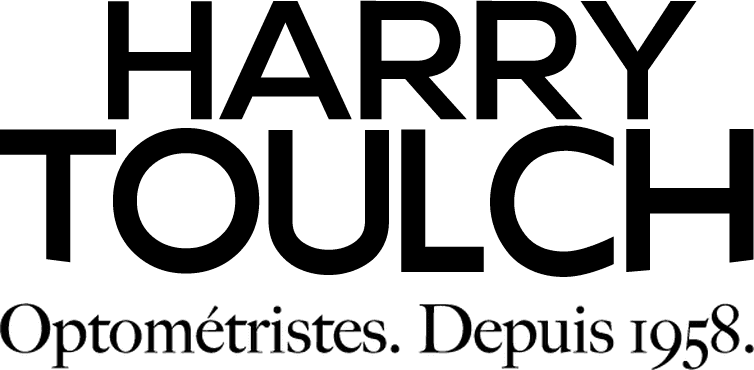
Eye exams in Montreal: your vision and your eye health, checked in full
A comprehensive eye exam goes well beyond reading letters on a chart. Many eye diseases develop without symptoms in their early stages. We screen for common conditions such as glaucoma, diabetic retinopathy and macular degeneration. Your visit begins in our pre-test room, where advanced instruments measure and image your eyes, followed by a thorough in-person examination with your optometrist.
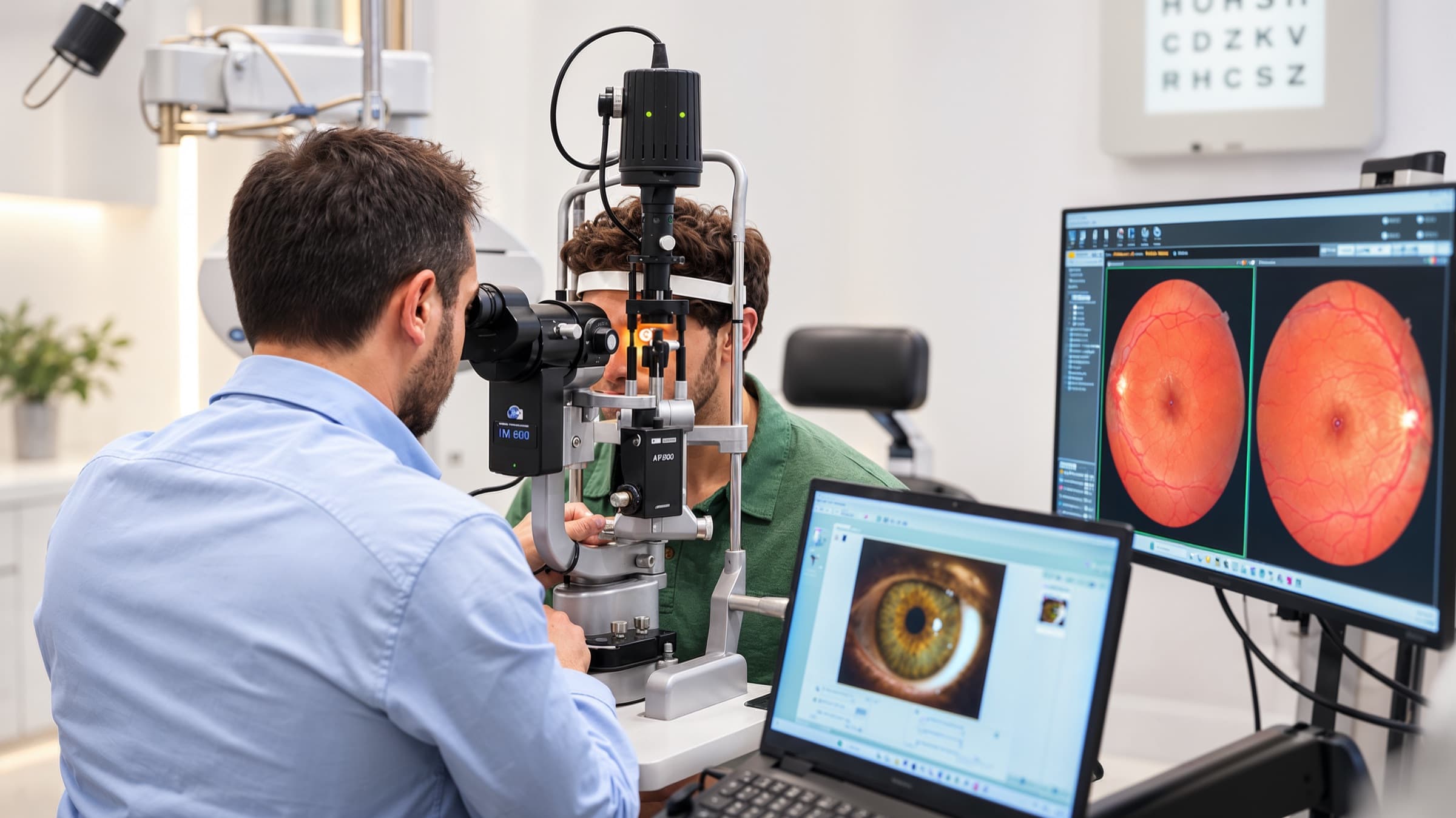
The latest in eye examination technology
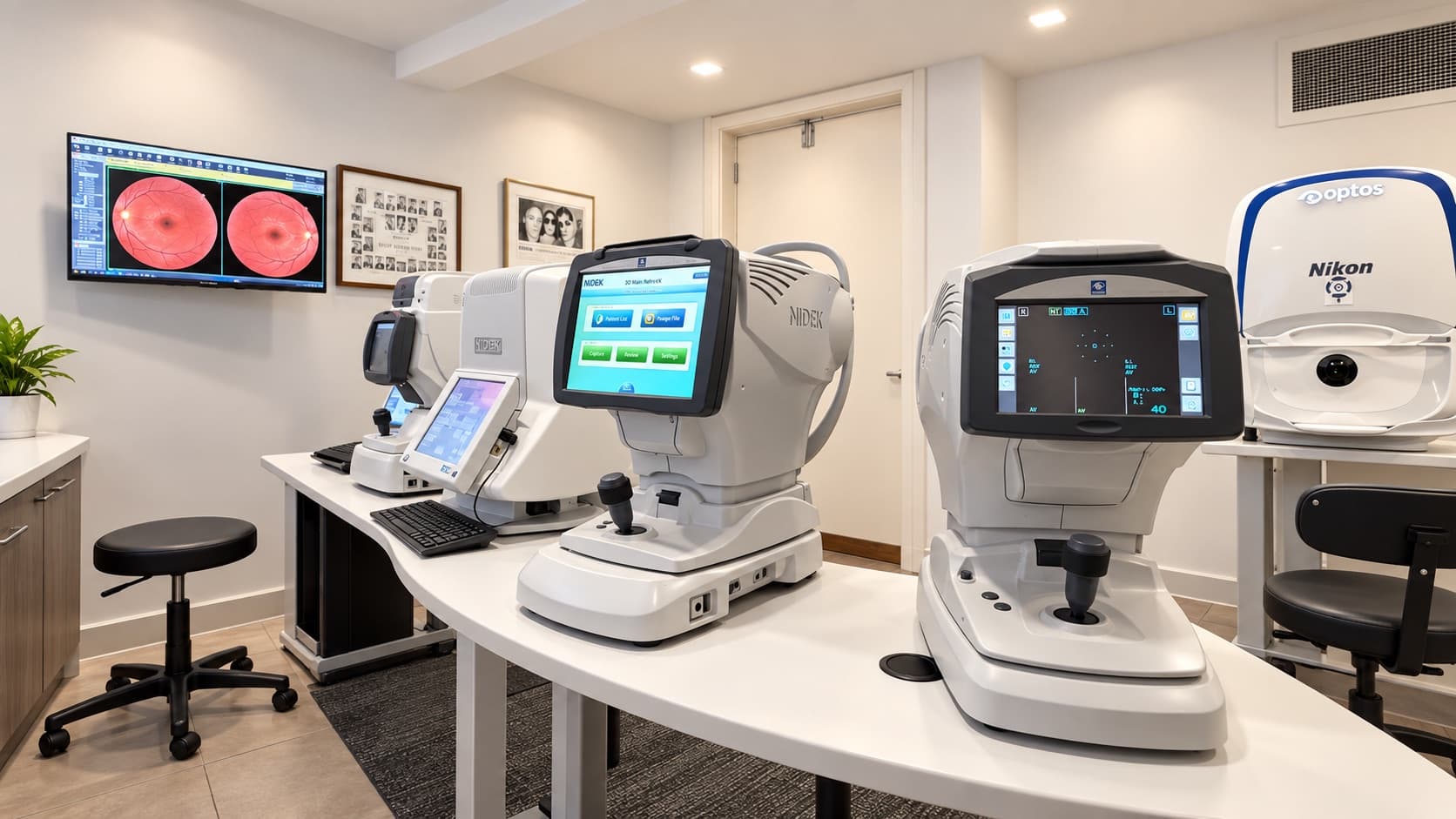
Step 1
The pre-test room
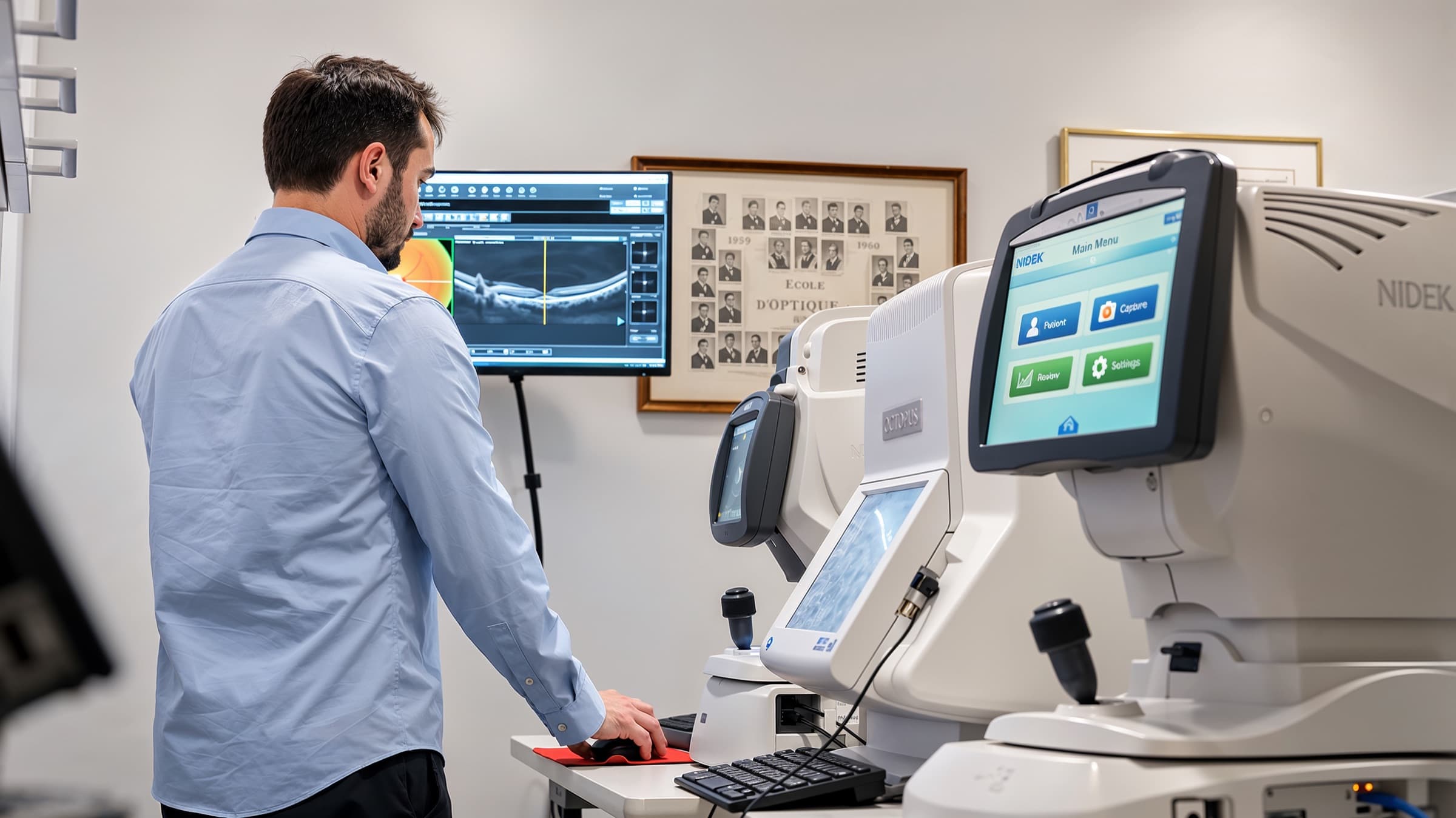
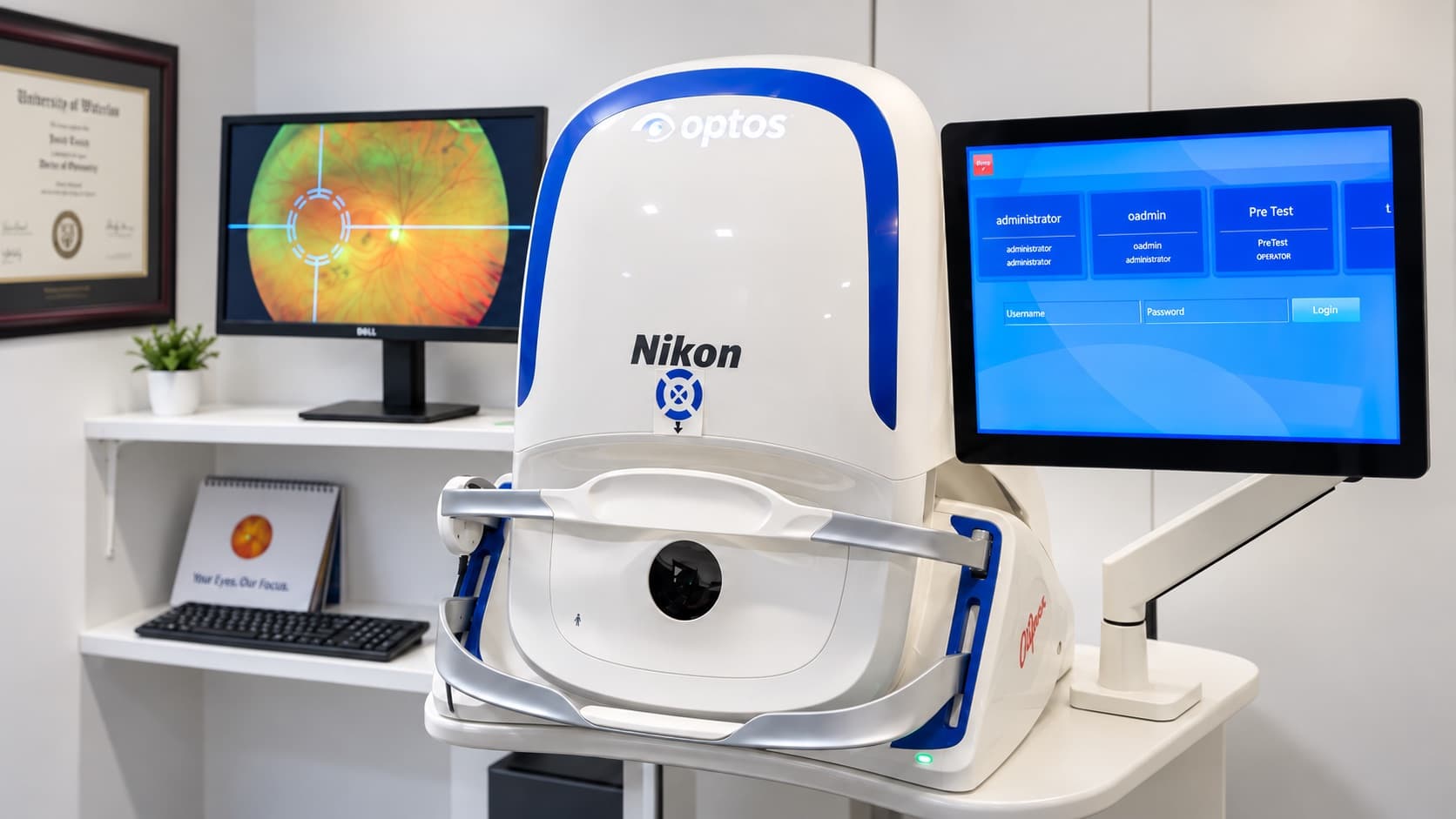
Before meeting your optometrist, you'll complete a series of advanced diagnostic tests, including eye pressure measurement, visual field testing, cross-sectional imaging of the retina and wide-field imaging of the back of the eye. All tests are non-contact.
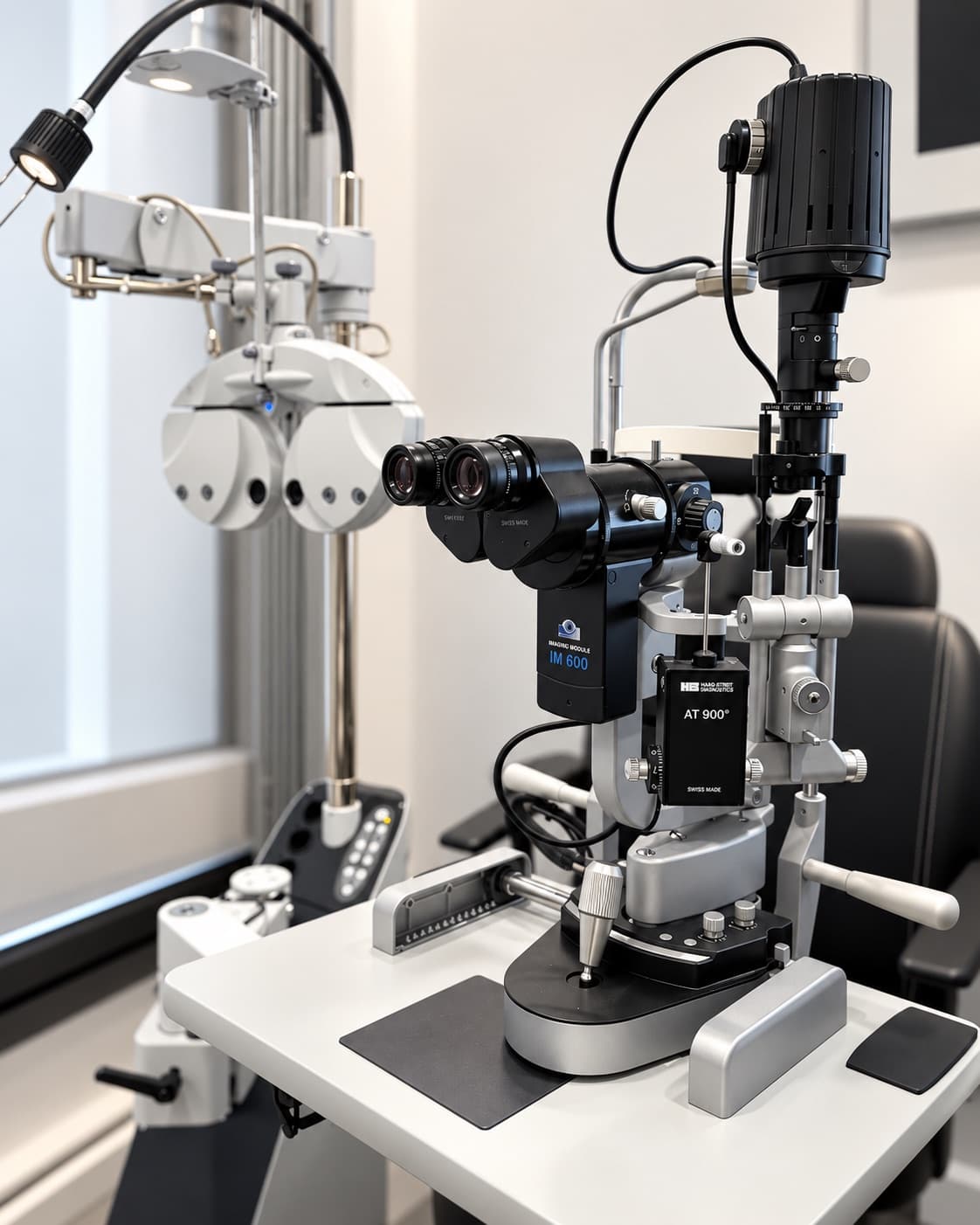
Step 2
The exam room
Your optometrist then conducts a comprehensive eye examination, assessing your visual acuity, your glasses or contact lens prescription, and your binocular vision, including eye coordination and focusing ability. Your ocular health is evaluated through a slit-lamp examination and a detailed review of your imaging results. Before you leave, your optometrist explains the findings, what they mean for you and any recommended next steps.
What each instrument tells us
You'll see these machines during your visit. Here's what each one does, in plain terms.
- Autorefractor
- What it doesMeasures how your eye focuses light, in a few seconds, while you look at an image.
- What it tells usA precise starting point for your prescription, which your optometrist then refines.
- Non-contact tonometer (NCT)
- What it doesMeasures the pressure inside your eye (intraocular pressure) with a gentle puff of air. Nothing touches your eye.
- What it tells usRaised eye pressure is a key risk factor for glaucoma, so this measurement helps us catch it early.
- OPD-Scan (corneal analyzer)
- What it doesMaps the shape of your cornea and measures how your whole eye focuses light, in one quick, non-contact capture.
- What it tells usCorneal irregularities such as astigmatism or keratoconus, and a finer prescription for glasses and contact lenses, including how you see in low light.
- OCT (optical coherence tomography)
- What it doesProvides detailed cross-sectional images of the retina and optic nerve, allowing us to detect subtle changes beneath the surface well before they affect your vision.
- What it tells usKey to the early detection and monitoring of glaucoma, macular degeneration and diabetic retinopathy.
- Optos widefield retinal camera
- What it doesCaptures an ultra-widefield view of the retina in a single image, including the periphery that a standard undilated exam may miss.
- What it tells usHelps us detect retinal tears, detachments, diabetic changes and pigmented lesions, and provides a permanent record to monitor changes over time.
- Phoropter
- What it doesAllows your optometrist to compare lenses one by one to determine your precise glasses or contact lens prescription.
- What it tells usAlso used to assess how well your eyes work together and focus, ensuring clear, comfortable vision at all distances.
- Slit lamp
- What it doesA high-magnification microscope that allows your optometrist to examine the structures of your eye in detail, from the eyelids, cornea and lens to the retina and optic nerve.
- What it tells usHelps detect conditions such as cataracts, dry eye, corneal problems, infections and signs of glaucoma.
What the exam checks
- Your vision, near and far
- Your glasses or contact lens prescription
- Eye coordination and focusing
- Eye disease screening and retinal imaging
- Myopia control assessment and treatment
- The surface of the eye: dryness, infections, irritation
Book your eye exam
RAMQ covers the eye exam for people under 18 and 65 and over. Between 18 and 64, it is often reimbursed by group insurance. Walk-ins are welcome too.