Rapid-response care for eye emergencies in Montreal
We do our best to see eye emergencies as quickly as possible. During business hours, please call us directly. After hours, send us an email and we will get back to you as soon as we can.
Common eye emergencies include:
Irritated or watery eye
Tearing, itching or a scratchy feeling can come from allergy, dryness, blocked tear ducts or environmental irritants. We identify the cause so you get the right treatment from the start.
Red eye
Red eye has many possible causes, some minor and some urgent, including episcleritis, scleritis, uveitis (iritis), keratitis, corneal ulcer, subconjunctival hemorrhage and acute angle-closure glaucoma, among others. They can look similar but need very different care, so an accurate diagnosis is critical. Optometrists in Quebec are authorized to examine and diagnose red eyes and treat many of them. If advanced care is needed, we manage the referral to the right specialist.
Foreign body (dust, sawdust, metal)
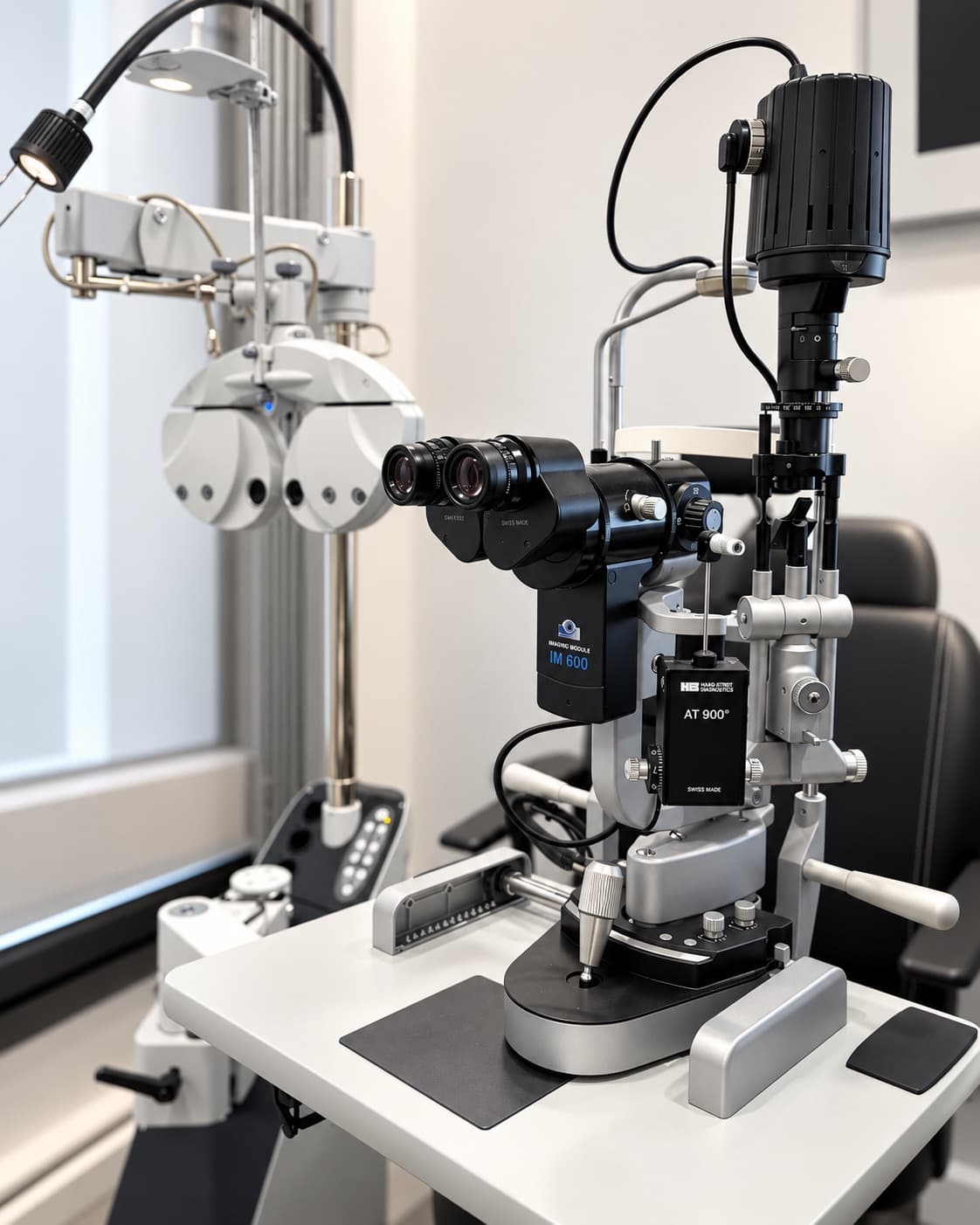
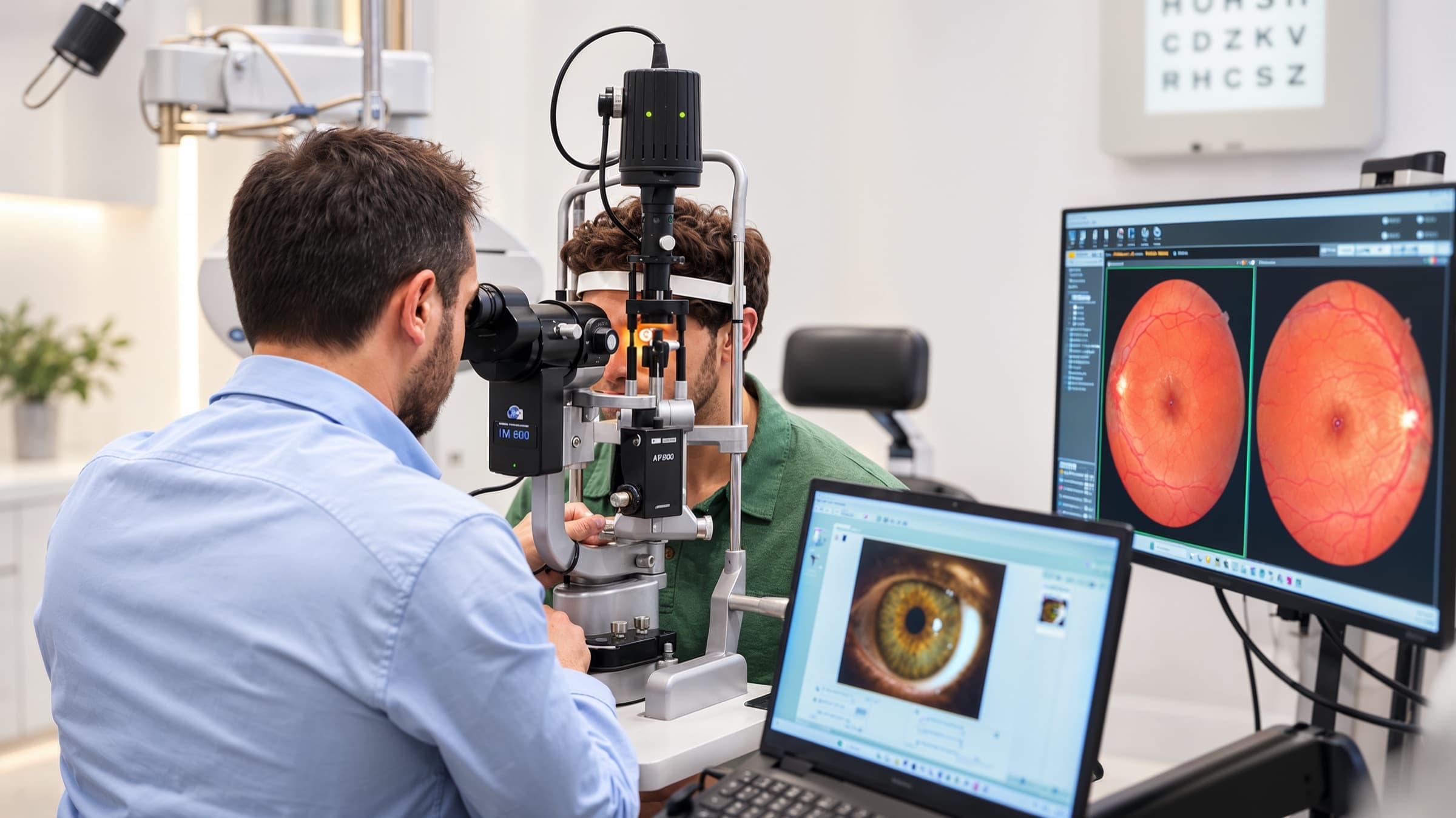
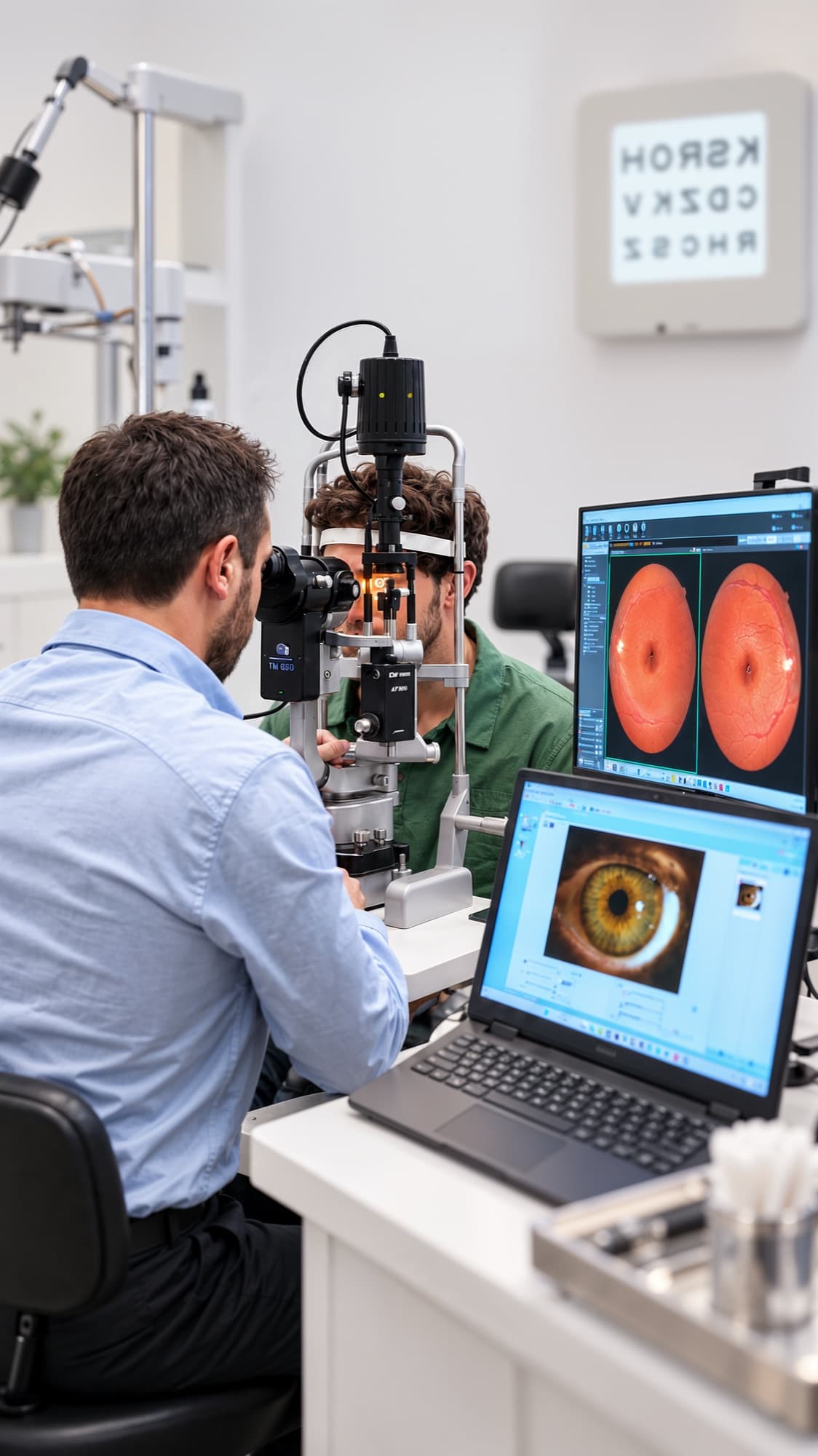
We remove the particle safely under magnification and check the eye's surface for damage or risk of infection.
Conjunctivitis, stye or chalazion
These conditions can look alike. An accurate diagnosis ensures appropriate treatment and tells you whether the condition is contagious.
Corneal abrasion (fingernail, branch, impact)
We assess how deep the abrasion is, relieve discomfort, and monitor healing to prevent infection.
Stuck contact lens
Repeated attempts at home can scratch the cornea. We remove the lens safely and treat any irritation.
Persistent dryness or burning
Ongoing dryness, burning or a gritty feeling deserves a proper dry eye assessment. We evaluate the underlying cause and recommend a treatment plan for lasting relief.
Flashes or floaters
A sudden onset of flashes, new floaters or a shadow in your vision can signal a retinal tear or detachment. We perform a dilated exam to assess the retina and refer you urgently if needed.
Broken or lost glasses
With our workshop on site, we repair your frame the same day or cut new lenses in under an hour. No need to put your day on hold.
Urgent prescription replacement
A quick exam and lenses cut on site. Ideal if you're about to travel or can't work without your glasses.
Conditions requiring immediate emergency care include, but are not limited to:
- Sudden or significant vision loss
- Sudden flashes or floaters with a curtain or shadow over your vision
- Severe eye pain
- Eye trauma or chemical exposure
- Sudden double vision
- New eyelid drooping
- Any neurological symptom (including headache, neck pain, confusion or facial numbness), whether or not accompanied by visual changes
This list is not exhaustive. When in doubt, go to the emergency department.
Your care in 3 simple steps
01
A quick call: we assess the urgency
Tell us what you're feeling. In two minutes on the phone, we work out the fastest option: a same-day appointment at the clinic, care at a later time, or an immediate referral to the hospital if your situation calls for it.
02
The exam: diagnosis and relief
The optometrist examines your eye thoroughly to pinpoint the exact cause. Depending on the diagnosis, they give first care on site, prescribe the right treatment, or refer you to an ophthalmologist if specialist follow-up is needed.
03
The action plan: leave with peace of mind
You leave the clinic with clear answers, a precise treatment and instructions for what comes next. If a follow-up visit is needed, it's booked before you go.
Common questions
Eye emergency: hospital or optometrist?
Can an optometrist treat an eye infection in Quebec?
I have something in my eye. What should I do before coming in?
My glasses broke this morning. Can you fix them today?
Is an urgent optometry visit covered?